The Return of the Tangible: Why Physical Media Still Matters in a Digital World

At the turn of the millennium, the future felt electric. The internet was no longer a curiosity it was becoming infrastructure. What had once been slow, fragmented, and uncertain was transforming into something fast, expansive, and full of promise. Information flowed freely. Distance began to collapse. Entire industries reshaped themselves around the idea that everything music, film, books, communication could exist in a digital space, accessible at any moment.
It wasn’t just a technological shift. It felt like a liberation.
For the first time, access was no longer a barrier. You didn’t have to search through stores or wait for something to be available. The world was coming to you. A song could be played instantly. A film could be streamed without leaving your home. A conversation could happen across continents in real time. There was a sense, in those early years, that we were stepping into something limitless. And for a while, that feeling held true.

Streaming platforms expanded libraries beyond what any physical collection could contain. Social media connected people who otherwise would never have met. The idea of “ownership” began to feel almost unnecessary why own something when you could access everything? Minimalism became a kind of cultural ideal. Shelves emptied. Collections shrank. The physical world gave way to the digital one, not out of necessity, but out of preference. It was cleaner, faster, more efficient.
The future, it seemed, had arrived exactly as promised.
But progress, even when it delivers, rarely arrives without trade-offs. At first, the changes were easy to overlook. A film that used to be available suddenly wasn’t. A favorite album disappeared from a platform. A playlist replaced a collection. These were small inconveniences, easily dismissed in a system that offered so much in return. Yet over time, those small moments began to accumulate. Access, it turned out, was not the same as ownership. Convenience was not the same as connection. The act of choosing something began to feel different. Instead of standing in front of a shelf, selecting a film or an album with intention, we found ourselves scrolling endlessly, almost reflexively. The abundance that once felt empowering started to feel diffuse. Nothing stood still long enough to matter.
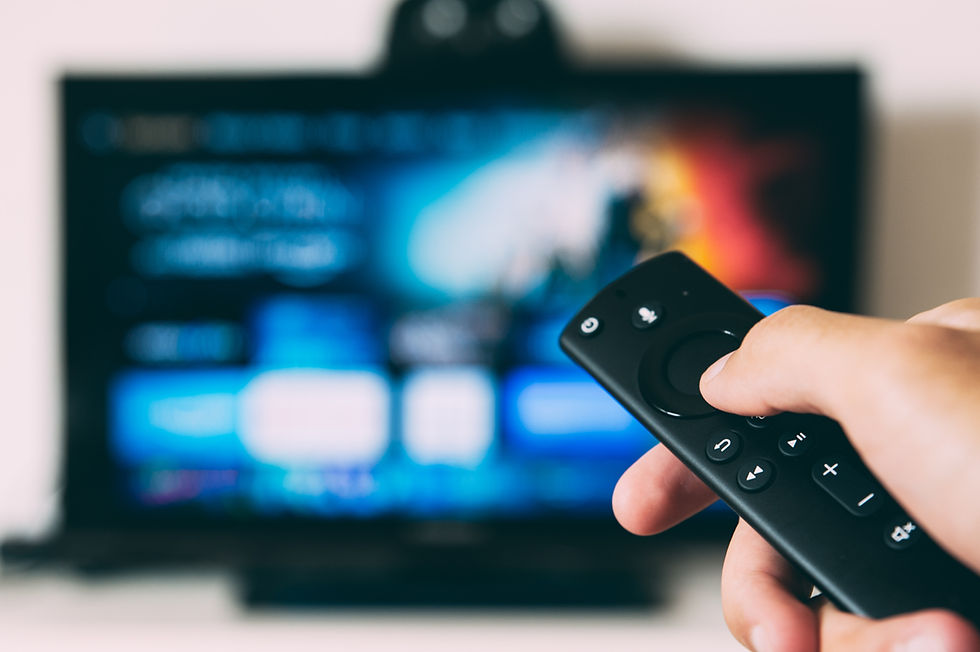
And in a world where everything was available, very little felt held onto.
This is where the shift begins not as a rejection of the internet, but as a response to its completeness. Because the internet did what it set out to do. It made everything accessible. It removed friction. It optimized the experience of consumption.
But in doing so, it also removed something else something harder to define.
Friction, it turns out, was never entirely the enemy. There was meaning in the effort it took to acquire something. In the act of going somewhere, of searching, of waiting. In the physical presence of an object that didn’t disappear, didn’t update, didn’t rely on a connection to exist. And so, gradually, almost quietly, people began to move back toward the tangible. Not away from the digital world, but alongside it.
Vinyl records returned not because they were more convenient, but because they demanded attention. Physical books regained their place not because they were more efficient, but because they felt anchored. Blu-rays, film cameras, printed photographs objects once considered obsolete began to carry a new kind of value.
They offered something the digital world could not: permanence, presence, and a sense of ownership that wasn’t conditional.

At the same time, experiences themselves began to shift in importance. Live events, cinema screenings, record stores, bookstores places that required you to be there started to feel less like alternatives and more like necessities.
In an age where so much could be simulated, replicated, or generated, reality itself became something people sought out more intentionally. This isn’t a story about the failure of the internet. If anything, it’s a story about its success. The digital world delivered on its promise so completely that it revealed its own limits. It showed us what access looks like when it’s perfected and in doing so, reminded us what access alone cannot provide. What we are seeing now is not a reversal, but a rebalancing.
The future is no longer moving in a single direction. The future is not a choice between digital and physical. That question has already been answered. We will keep the speed. We will keep the access. We will keep the endless libraries in our pockets. But alongside it, something else is returning something slower, heavier, harder to ignore. A need to hold something. To return to something that doesn’t refresh. To own something that doesn’t disappear. And what we are seeing now in record stores, on bookshelves, in cinemas and concerts is not nostalgia. It is a correction.
A quiet, deliberate movement back toward things that can be kept, revisited, and truly possessed. Not because the world is going backward. But because, for the first time in a long time, people are asking a different question: Not what can I access? But what is worth keeping?


Comments